



October 14, 2026

6 Things to Look for in Recruitment Management System

6 Things to Look for in Recruitment Management System

Recruitment management is a crucial function in any organization, as it involves identifying, attracting, and hiring the best candidates for the job. With the increasing number of job applications and resumes to review, it can be challenging to manage the recruitment process efficiently. That’s where recruitment management systems come in. These systems automate and streamline

6 Things to Look for in Recruitment Management System Read More »

skill-based hiring

The power of skill-based hiring: how to build a ready-to-future workforce

In a rapidly evolving job market, traditional hiring practices – such as prioritizing degrees or years of experience – are losing relevance. Now employers are changing to skill-based hiring, a strategy that focuses on what candidates can do and not where they learned it. This approach not only fills talent gaps, but also promotes diversity,

The power of skill-based hiring: how to build a ready-to-future workforce Read More »

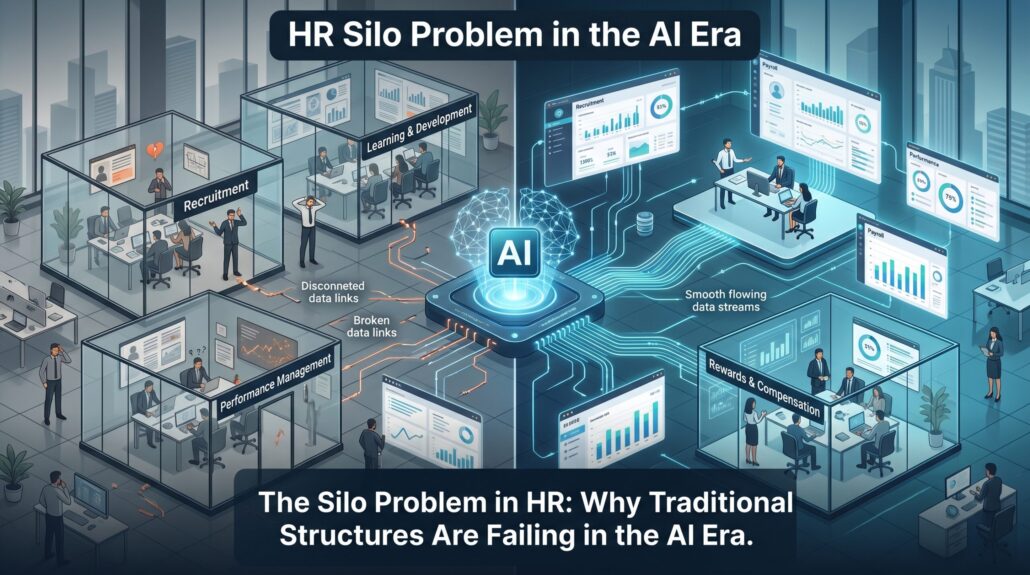
Silo Problem in HR ai era

The Silo Problem in HR: Why Traditional HR Structures Are Failing in the Age of AI

Most HR leaders are not struggling because they lack data, talent, or technology. They are struggling because the employee journey is fragmented across disconnected HR functions. Recruitment, learning, performance, and rewards often operate independently, creating gaps in visibility, slower decision-making, and missed opportunities to develop and retain talent. Walk into almost any HR department today,

The Silo Problem in HR: Why Traditional HR Structures Are Failing in the Age of AI Read More »

Understanding Attendance Management: A Crucial Component of HR Efficiency

In today’s dynamic workplace environment, managing employee attendance is more critical than ever. Attendance management is a systematic approach used by organizations to record, monitor, and manage employee attendance. It’s an essential aspect of human resource management that ensures employees are working the hours they’re scheduled for, which directly impacts productivity, payroll accuracy, and overall

Understanding Attendance Management: A Crucial Component of HR Efficiency Read More »

Why Business Needs an Expense Management System

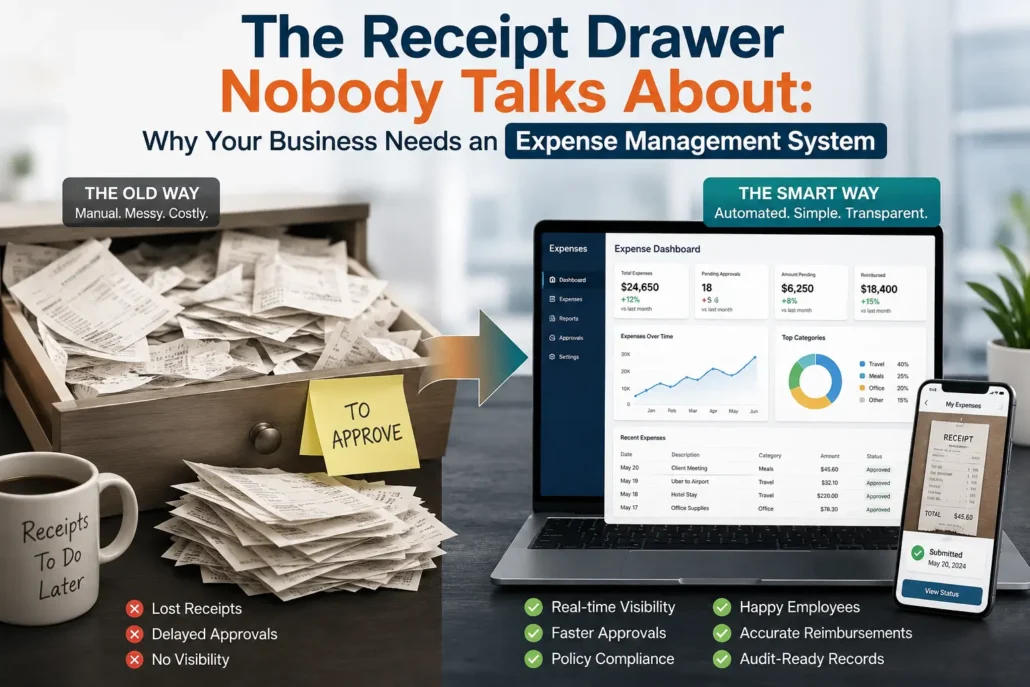
The Receipt Drawer Nobody Talks About: Why Your Business Needs an Expense Management System

An expense management system replaces scattered receipts and manual approvals with one digital record of every claim. Instead of employees emailing receipt photos and finance chasing sign-offs, the system captures each expense at submission, routes it for approval automatically, and updates in real time. Finance sees spend as it happens, not weeks later during reconciliation.

The Receipt Drawer Nobody Talks About: Why Your Business Needs an Expense Management System Read More »

Mastering HR Efficiency: Leveraging Scheduled Reports & Alerts in FlowHCM

In the ever-evolving realm of Human Resources (HR) management, the ability to make informed decisions in a timely manner is nothing short of a competitive advantage. Traditional HR processes often involve an overwhelming amount of paperwork, manual record-keeping, and reactive problem-solving. This archaic approach not only hampers efficiency but also leaves room for errors and

Mastering HR Efficiency: Leveraging Scheduled Reports & Alerts in FlowHCM Read More »

HR Software Can Help Improve Performance Management

12 Ways HR Software Can Help Improve Performance Management

Performance management is an essential part of any organization’s success. Effective performance management helps managers and employees set goals, track progress, and identify areas for improvement. HR software can play a crucial role in improving performance management. In this blog, we will discuss 12 ways HR software can help improve performance management. 1.  Setting Clear

12 Ways HR Software Can Help Improve Performance Management Read More »

Balancing Subjective and Objective Feedback for Better Employee Performance Management

Balancing Subjective and Objective Feedback for Better Employee Performance Management

At the core of every organization, feedback isn’t just a checkbox on a quarterly or annual employee performance review. It’s the compass that guides growth, motivation, and engagement among employees. Imagine two employees completing the same project: one hits every target with precision, while the other inspires the team, encourages collaboration, and sparks new ideas

Balancing Subjective and Objective Feedback for Better Employee Performance Management Read More »

Scroll to Top