




It is 9:00 AM on a busy Tuesday, and an employee sits at their desk ready to dive into a major project, only to find that a critical system is down. They submit a support ticket, much like the payroll query they sent days ago, and then they wait. The request enters a digital void where someone might have seen it, but nothing moves. This quiet period of waiting might seem like a minor operational delay on the surface, but it deeply shapes how people feel about the organization they work for.
Internal support is far more than just a back-office function. It acts as a direct, real-time signal of how a company values its own people. When that signal becomes slow, broken, or completely invisible, it quietly chips away at workplace trust, one unresolved ticket at a time. It leaves employees feeling stranded and sends a subtle message that their time, energy, and daily productivity are not true priorities for the business.
If organizations want to maintain a genuinely motivated and engaged workforce, they need to start treating internal support with the same urgency as customer service. Through shifting the focus on clear communication and faster resolution times, companies can turn these frustrating technical bottlenecks into meaningful opportunities to prove they care, ultimately building much stronger organizational trust.
When Employees Can’t Get Help, Work Doesn’t Move
Workplace productivity depends on more than skills and motivation. It depends on access to the right tools, information, and timely support when something goes wrong. When an employee submits a request and receives no clear response, their work stalls. The issue may seem minor on the surface, but the ripple effects are real. Pending IT issues delay deliverables. Unanswered HR queries creates anxiety. Administrative bottlenecks slow down entire teams.
A helpdesk system exists precisely to prevent this. A well-structured helpdesk management system ensures that every request whether it relates to IT, HR, or administration is captured, tracked, and resolved within a defined timeframe. Without it, organizations rely on informal channels that were never designed to handle structured support at scale.
The Hidden Cost of Unresolved Employee Support Requests
Most organizations measure productivity in outputs. Few measure the time lost to support failures, the hours spent chasing follow-ups, duplicating requests, or waiting on a response that never came. These costs are real but rarely visible on any dashboard.
Research consistently points to a clear connection between employee experience and operational performance. Employees who feel supported are more engaged, more productive, and less likely to disengage from their roles. When support requests go unresolved or unacknowledged, the impact shows up in subtle but damaging ways:
- Increased frustration that affects daily focus and morale
- Loss of confidence in internal systems and processes
- Repeated submission of the same request, creating duplicate workload for support teams
- Longer resolution times that delay work across connected teams
The absence of a reliable helpdesk ticketing system does not just slow down resolution. It signals to employees that their time and concerns are not a priority and that perception is difficult to reverse.
Beyond the Inbox: Knowing When It’s Time to Switch
Shared inboxes work well in the early stages of an organization. When teams are small and request volumes are low, email threads can hold things together. But as organizations grow, the shared inbox becomes a liability rather than a solution.
Signs that a shared inbox is no longer enough include:
- Requests being missed because emails get buried or overlooked
- No clear ownership multiple people see the same request but no one acts on it
- Employees following up repeatedly with no status update
- Support teams unable to track how many requests are open, pending, or overdue
- No data on resolution time, response patterns, or recurring issues
At this point, the organization has outgrown its tools. What is needed is not a better inbox, it is a structured helpdesk system that brings accountability, visibility, and process into employee support.
Inside the Ticket: A Request’s Path to Resolution
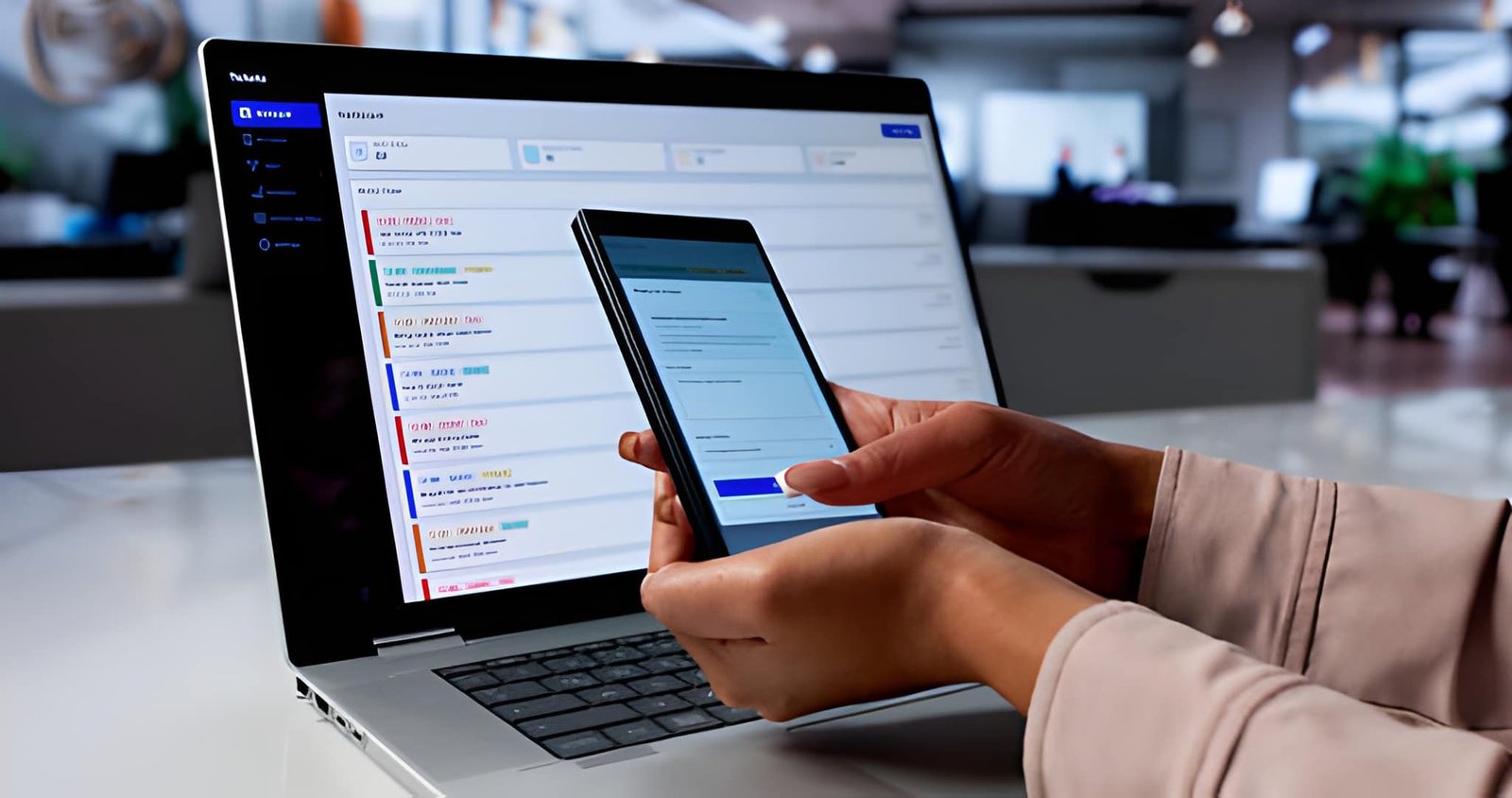
Understanding how a modern helpdesk ticketing system works makes it easier to appreciate why it improves employee experience so significantly. The moment an employee submits a request whether it is an IT issue, an HR query, or an administrative concern the system converts it into a structured ticket with a unique ID, timestamp, and category.
From there, the ticket moves through a defined workflow. It gets assigned to the right team or individual based on the nature of the request. Status updates are generated automatically, so the employee always knows where their request stands. If a deadline approaches without resolution, escalation rules activate and the relevant person is notified.
This structured path from submission to resolution eliminates the guesswork that shared inboxes create. Employees do not need to follow up manually or wonder if their request was seen. The IT helpdesk software handles the tracking, the routing, and the communication, so support teams can focus on solving the problem rather than managing the process.
How a Helpdesk Ticketing System Shapes the Employee Experience
Employee experience is built from daily interactions and support is one of the most frequent touchpoints employees have with organizational systems. A helpdesk solution that responds quickly, communicates clearly, and resolves consistently sends a strong message: this organization is organized, and your time matters.
The connection between helpdesk efficiency and employee satisfaction is not incidental. When employees trust that their requests will be handled without follow-up or friction, their confidence in the organization grows. That confidence translates into higher engagement and fewer interruptions to their core work.
Modern HR software and HCM software platforms increasingly integrate helpdesk functionality for this reason. Internal support is no longer viewed as a back-office function; it is recognized as a direct contributor to workforce experience.
What to Look for in an Employee-Focused Helpdesk System
Not all helpdesk solutions are built with employees in mind. When evaluating options, organizations should prioritize features that directly improve the internal support experience:
- Ease of submission:
Employees should be able to raise a request quickly without needing technical knowledge or navigating complex forms - Real-time visibility:
A dashboard that shows ticket status, response updates, and resolution timelines keeps employees informed without requiring them to follow up manually - Categorization and routing:
The system should automatically route requests to the right team based on the nature of the issue IT, HR, or administration - Response notifications:
Automated email notifications at each stage of the ticket lifecycle reduce uncertainty and improve communication - Reporting and tracking:
Support teams need data on resolution time, ticket volume, and recurring issues to continuously improve the support experience
The right IT helpdesk software does not just manage requests it creates a consistent, reliable experience that employees can count on.
Building a Support Culture That Works for Everyone
Technology enables better support, but the goal is a support culture, one where employees feel heard, issues are taken seriously, and resolution is the standard rather than the exception. Achieving this requires the right processes, the right people, and the right tools working together.
HRMS software and HR solutions that include integrated helpdesk functionality bring all of this into a single platform. FlowHCM’s Help Desk module is designed with this in mind giving employees an easy way to submit IT and administrative requests, track their status in real time, and receive timely updates without the back-and-forth that shared inboxes create. Support teams, in turn, get a centralized view of all requests with the tools to manage, respond, and resolve efficiently.
Building a workplace where employees feel supported starts with giving them a system that actually works. A helpdesk management system is not just an operational upgrade, it is an investment in the people who keep the organization running.