




September 3, 2026

hr management information system

What Is Human Resource Management Information Systems (HRMIS)

In today’s fast-paced and data-driven business environment, efficiency is the key to success. Human Resource Management Information Systems (HRMIS) have emerged as a vital tool in helping businesses optimize their HR functions, such as recruitment, payroll, performance management, and employee engagement. These systems enable companies to handle HR operations seamlessly, reduce administrative workload, and make

What Is Human Resource Management Information Systems (HRMIS) Read More »

Choosing the Right HRMS for Your Organization

Top Tips For Choosing the Right HRMS for Your Organization

In today’s fast-paced business environment, managing human resources efficiently is essential for the success and growth of any organization. Human Resource Management Systems (HRMS) have emerged as indispensable tools that streamline HR processes, increase productivity, and enhance employee satisfaction. However, with many HRMS options available in the market, choosing the right one for your organization

Top Tips For Choosing the Right HRMS for Your Organization Read More »

Manual vs Automated Leave Management

Manual vs Automated Leave Management: Pros and Cons

Managing employee leave efficiently is crucial for maintaining productivity and compliance with company policies. Traditionally, leave management has been handled manually, using spreadsheets or physical records, but automation is gaining popularity due to its efficiency and accuracy. In this detailed exploration, we will weigh the pros and cons of both manual and automated leave management

Manual vs Automated Leave Management: Pros and Cons Read More »

What is HR Management?

Human Resource Management (HRM) serves as the cornerstone of any successful organization. It encompasses a diverse range of functions aimed at maximizing employee performance and ensuring the achievement of strategic objectives. In this blog, we delve into the intricacies of HRM, exploring its key components and highlighting its critical role in driving organizational success. What

What is HR Management? Read More »

Employee Exit Process

How a Structured Employee Exit Process Strengthens Separation Management

Why a Structured Employee Exit Process Matters? An employee’s departure is one of the most delicate transitions within any organization. Whether it happens through resignation, retirement, or a layoff, the process must be managed with professionalism and care. A well-structured exit process is more than just collecting ID cards or issuing clearance letters; it ensures

How a Structured Employee Exit Process Strengthens Separation Management Read More »

Rise of Skills-Based Hiring

The Rise of Skills-Based Hiring and Its Impact on Recruitment Decisions

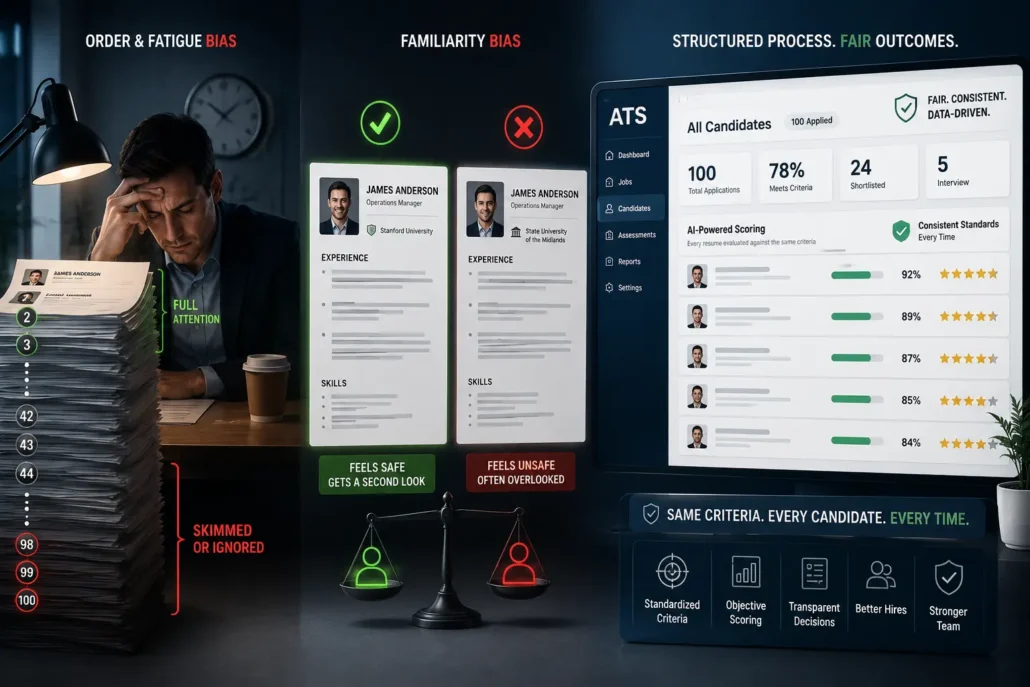
Finding the right talent in today’s competitive job market no longer depends solely on checking boxes on a resume, as organizations rethink how they screen and recruit candidates to meet growing demands for the right fit. Traditional recruitment models that once prioritized degrees, heavy certifications, and long lists of experience are being questioned, since these

The Rise of Skills-Based Hiring and Its Impact on Recruitment Decisions Read More »

The 4 Core HR Analytics That Drive Workforce Success

The 4 Core HR Analytics That Drive Workforce Success

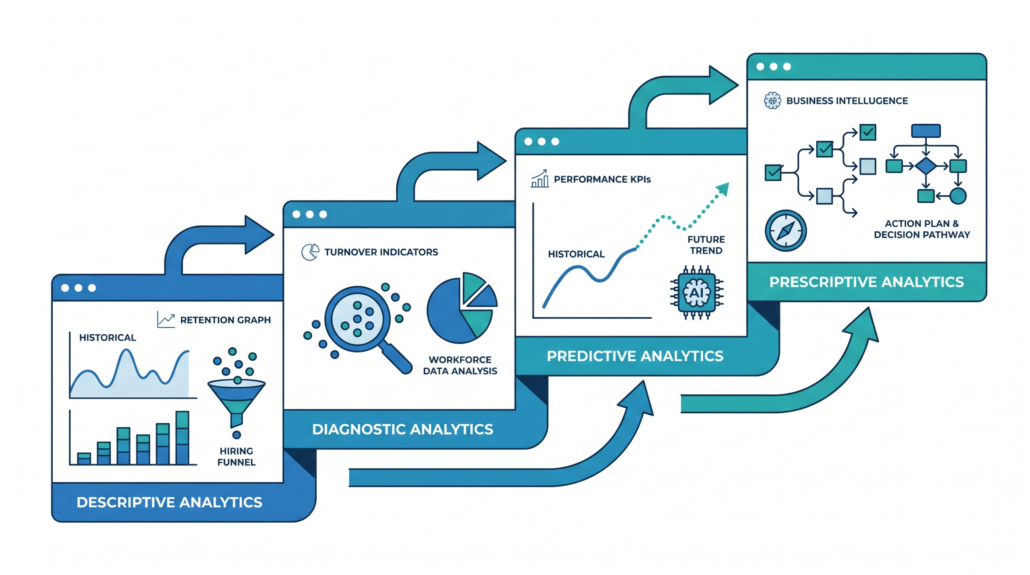
Every organization sits on a wealth of employee data, including attendance records, performance scores, hiring metrics, turnover patterns, and engagement survey results. This information flows through HR systems daily, yet most companies fail to extract meaningful value from it. The uncomfortable reality is that many organizations make critical decisions about their workforce based on intuition

The 4 Core HR Analytics That Drive Workforce Success Read More »

Employee Management Strategies

Employee Management Strategies for Measuring and Reducing Attrition and Turnover

Unpacking Employee Turnover and Attrition Every employee desk in an organization tells a different story; some are buzzing with energy, some are quiet, and some remain empty. These empty chairs represent more than just missing employees they can indicate challenges in retention, engagement, or workforce planning. Often, the impact of attrition or turnover goes unnoticed

Employee Management Strategies for Measuring and Reducing Attrition and Turnover Read More »

Scroll to Top