




As the automation is evolving in day to day tasks of employees, so it does not only limit to specific departments, as we see the HR department over time it shifted from administrator of policies to a data driven strategic department helping in shaping business outcomes. And when the word data is included the first thing comes into mind is how the HR professionals are going to get the data, of which they will analyze and make the strategies accordingly. It is only possible because of HR dashboards because they are the lens through which HR managers view their workforce productivity, performance, engagement, upskilling core element that is required in the long-term success of an organization and their employees, and when the data is received correctly they turn this employee data into actionable insights.
HR dashboards are included in every HR reporting and analytics, whether it is tracking of attendance, monitoring the process of recruitment, or analyzing employee performance, in every stage HR dashboard provide clarity in a complex HR landscape, helping teams make decisions that matter that count.
What Is an HR Dashboard?
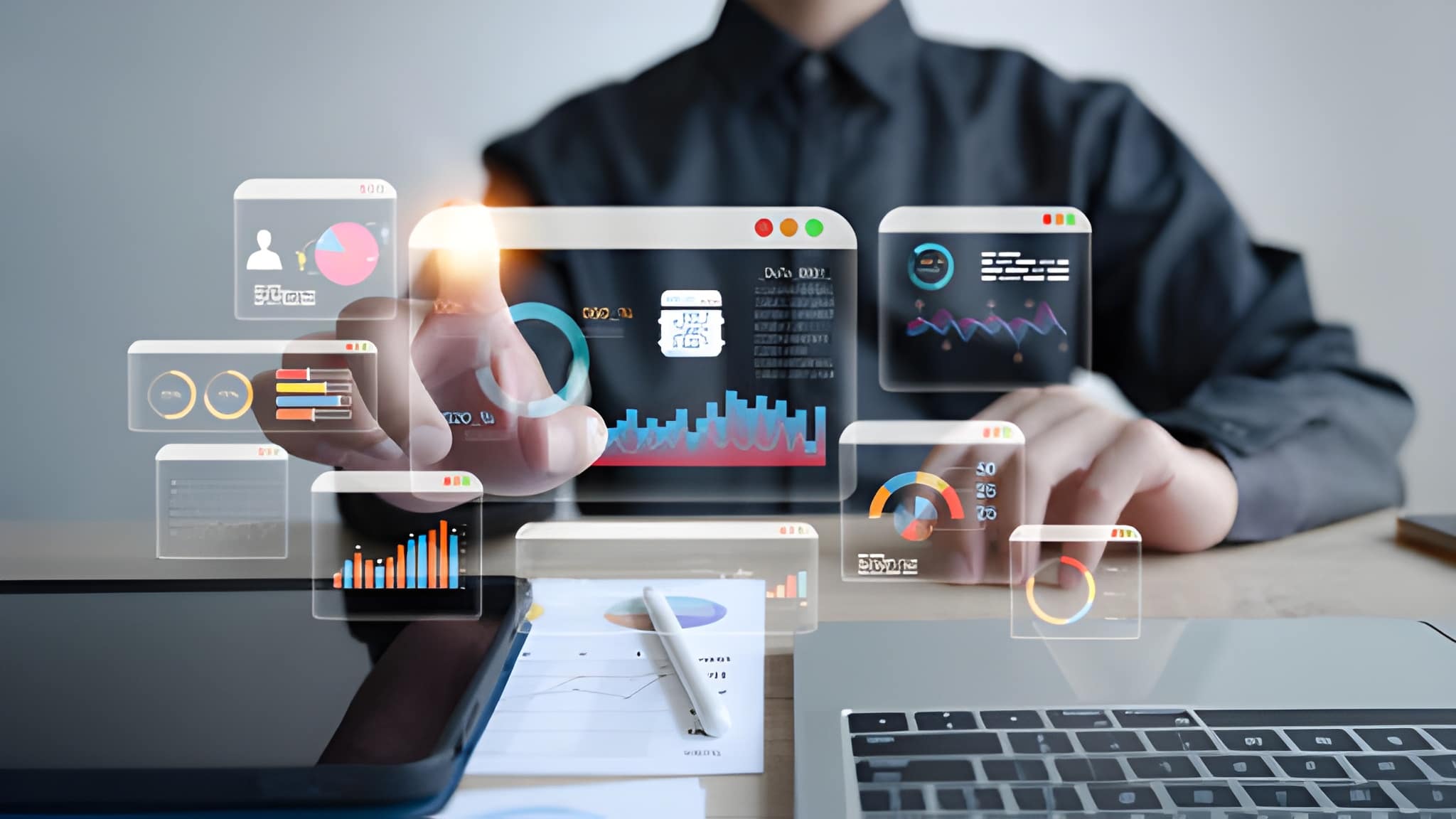
An HR dashboard is part of a broader HR software, but this part delivers a complete picture of an organization’s workforce cycle, visually represents critical HR data, showing every employee related metric in numbers and helps HR teams in transforming these numbers into understandable insights. Unlike standard spreadsheets, where the whole process from collecting data to managing sheets was manual, compared to this time taking process, an HR metrics dashboard consolidates information from multiple HR functions, such as recruitment, payroll, performance, and attendance, these are key elements of the broader employee cycle. Organizations are now starting to rely more on HR dashboards for more defined HR analytics to spot trends, identify challenges, and monitor progress toward business objectives.
Essentially, an HR dashboard serves as the bridge between raw HR data and strategic workforce decisions, giving HR departments more control over decisions that impact the overall growth of an organization and their workforce.
HR Dashboards vs Traditional HR Reports
Traditional HR reports were often based on static tables, and lengthy spreadsheets, which used to provide historical data but failed to provide context, trends, and runtime analytics for more strategic decision making. In contrast today.
- HR Dashboards provide real-time visualization of metrics.
- They allow interactive exploration of KPIs and trends.
- Managers can filter, segment, and drill down into specific data points.
- Dashboards integrate multiple HR modules, providing a holistic view of workforce performance.
Prioritizing an advanced dashboard over traditional reports not only enables HR leaders to respond quickly to challenges but also helps them align workforce strategies with organizational goals while saving time that was earlier spent on collecting data from manual sources.
The Building Blocks: HR Data, Metrics, and KPIs
An efficient HR dashboard that covers every HR operation contains well defined metrics for accurate representation of data, the core building blocks of the dashboard includes:
- Employee Demographics: Age, tenure, department distribution.
- Attendance Data: Absenteeism, leave patterns, overtime.
- Performance Metrics: Employee KPI Tracking, task completion rates, revenue per employee.
- Recruitment Data: Time to hire, cost per hire, offer acceptance rate.
- Engagement Indicators: Employee feedback scores, eNPS, participation in learning programs.
When all of these data points are included in a dashboard, HR teams can easily track both operational efficiency and strategic performance without missing any detail that may affect the decision process.
How HR Analytics Turns Data into Insight
HR analytics turns data into insight by collecting employee related information from different sources like attendance systems, recruitment data, performance evaluations, training program outcomes, and employee engagement in office activities. When the data itself is raw it does not provide much value, but when analyzed and transformed into measurable outcomes it reveals trends and gaps.
It helps in making proactive decisions by focusing on core elements like skill gaps, high attrition, or low productivity, and driving strategies that not only improve workforce planning, but also enhance employee engagement, optimize talent management, and align HR initiatives with overall organizational goals.
- HR leaders can forecast workforce needs.
• Teams gain visibility into performance gaps and skill shortages.
• Employee engagement initiatives are guided by data driven decisions.
Analytics ensures that HR moves beyond record keeping to actively shaping organizational outcomes.
Key HR Metrics Commonly Tracked on Dashboards
HR dashboards track a variety of essential metrics to give a comprehensive view of workforce health:
- Employee Attendance Management: Absenteeism rates, leave balances, overtime hours.
- Employee Payroll Management: Salary distribution, payroll errors, bonus tracking.
- Employee Performance Management: KPI achievements, productivity scores, goal completion.
- Employee Talent Management: Skill coverage, promotion readiness, succession planning.
- ATS Tracking System: Recruitment funnel metrics, application source quality, time-to-hire.
- Employee Engagement: eNPS scores, participation in engagement surveys, program completion rates.
Monitoring these metrics through an HR dashboard ensures HR decisions are backed by real-time, actionable data.
The Purpose of HR Reporting in Decision-Making
The data backed by dashboards supports HR reporting by highlighting trends and areas that need attention, which helps HR teams make informed decisions about planning of:
- Recruitment & retention strategies
- Workforce development and training initiatives
- Performance management improvements
- Compliance and regulatory adherence
Reports can be standardized across teams or customized for departmental needs, ensuring that stakeholders at every level can understand workforce trends quickly and effectively.
Using HR Dashboards for Strategic and Operational Clarity
Dashboards provide a dual benefit: operational efficiency and strategic foresight. HR teams can:
- Identify high-performing teams and employees for recognition and promotion.
- Monitor recruitment and retention strategies, ensuring the right talent is in place.
- Evaluate training and development programs through participation and outcome metrics.
- Align HR activities with business objectives, ensuring HR contributes to measurable organizational success.
Integrating dashboards into day-to-day operations fosters a culture of data-driven decision-making and continuous improvement.
Common Challenges in HR Dashboard Adoption
While HR dashboards provide immense value, organizations often face challenges:
- Data Quality: Inaccurate or incomplete HR data leads to misleading insights.
- Integration Issues: Combining data from multiple HR systems can be complex.
- Overwhelming Metrics: Tracking too many KPIs dilutes focus and reduces dashboard effectiveness.
- User Adoption: Employees and managers may resist new tools without proper training.
Recognizing and addressing these challenges ensures dashboards remain a strategic asset rather than a static report repository.
Best Practices for Effective HR Dashboards
To maximize the value of HR dashboards:
- Focus on Key Metrics: Prioritize KPIs that directly impact business outcomes.
- Keep Visuals Simple: Use clear charts, graphs, and color coding.
- Ensure Real-Time Updates: Accurate and timely data drives actionable insights.
- Enable Collaboration: Dashboards should support cross-team discussions and decisions.
- Leverage HR Tech: Tools with AI in HR Tech capabilities enhance predictive insights.
Implementing these best practices ensures that dashboards become a vital part of organizational strategy.
How FlowHCM Supports HR Dashboards, Analytics, and Reporting
FlowHCM provides an integrated platform that brings together multiple HR functions into a single HR Software. Features include:
- Employee Attendance Management: Track leave, absenteeism, and working hours in real time.
- Employee Payroll Management: Automate payroll calculations, adjustments, and reports.
- Employee Talent Management: Monitor skills, performance goals, and succession planning.
- ATS Tracking System: Centralized applicant tracking for recruitment efficiency.
Overall, FlowHCM enhances HR dashboards and reporting by ensuring data consistency, accuracy, and accessibility across the organization. With information available in one unified platform, HR teams can easily analyze trends, reduce manual reporting effort, and gain actionable insights that support timely and strategic decision making. This enables leadership to rely on HR data as a trusted foundation for planning, performance improvement, and long-term business success.
Applying HR Analytics and Reporting in FlowHCM
With FlowHCM, HR teams can transform raw data into actionable insights:
- Real-time HR Metrics Dashboard visualizes workforce trends and KPIs.
- Automated HR Reporting and Dashboards streamline performance tracking and compliance.
- Employee Performance Management and Employee KPI Tracking are centralized, making it easier to identify high performers and address skill gaps.
- Integration of AI in HR helps predict attrition, optimize recruitment strategies, and improve engagement programs.
FlowHCM effectively operationalizes HR analytics and reporting, making data-driven decision-making accessible to every HR leader.
Bringing HR Data, Metrics, and Decisions Together
HR dashboards play a critical role in helping organizations make sense of workforce data in a structured and meaningful way. When HR metrics, analytics, and reporting are aligned, dashboards provide clarity around employee performance, engagement, attendance, and recruitment trends. This clarity allows HR teams to move beyond assumptions and base decisions on consistent, reliable insights.
As HR continues to evolve with technology, dashboards will remain a key component of modern HR practices. With the right data, relevant KPIs, and thoughtful reporting, HR dashboards support better planning, stronger workforce management, and informed decision-making that benefits both employees and the organization as a whole.