




There was a time when a standard health plan, a fixed leave policy, and a retirement contribution were enough to keep employees satisfied. That time has quietly passed. Today’s workforce walks through the door already knowing what they want and a generic benefits package is unlikely to be on that list. People are living remarkably different lives: some are managing student debt, others are raising families, navigating caregiving responsibilities, or simply trying to find a rhythm between work and personal wellbeing. Offering them all the same package isn’t just limiting it signals that the organization hasn’t really looked at who its people are.
The Problem with the Traditional Approach
Traditional employee benefits were built around simplicity and uniformity. A standard policy for paid time off, one or two health insurance plan options, fixed retirement contributions, and predetermined coverage levels the goal was administrative ease, not individual fit. For decades, this worked well enough.
The cracks started showing as workplaces became more diverse in age, lifestyle, values, and expectation. A benefits package designed for a homogeneous workforce simply cannot serve a multigenerational team where priorities shift dramatically from one employee to the next. When people receive benefits, they don’t need or can’t use, engagement drops, participation fades, and employers end up investing in programs that generate very little return.
There is also a quiet but telling perception gap at play. Research has shown that a large proportion of employers believe their benefits packages are well-received while a significantly smaller share of employees actually feels satisfied with them. That disconnect is costly, and it doesn’t fix itself.
What Personalized Employee Benefits Actually Mean
Personalization in benefits doesn’t mean giving every employee something entirely unique that would be operationally impossible. It means offering a flexible menu of options where individuals can choose what actually fits their life. This shift moves away from predetermined coverage toward customized choices, and it touches several areas:
- Customized employee health insurance plans including medical, dental, vision, and mental health coverage rather than a single default plan
- Wellness programs that go beyond a gym membership covering financial wellness, mental health support, and nutrition
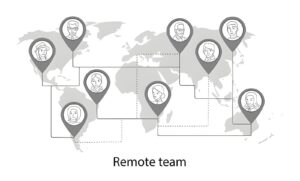
- Flexible work arrangements remote, hybrid, or compressed weeks that respect different life rhythms
- Family-centric options parental leave, childcare support, and elder care assistance
- Employee training programs, professional development budgets, and career advancement opportunities
The common thread across all of these is employee choice the ability to allocate benefits in a way that reflects individual circumstances rather than organizational assumptions.
The Generational Shift Driving This Change
A significant part of this shift is generational. Millennial and Gen Z employees now make up a dominant portion of the global workforce, and their expectations are fundamentally different from those of previous generations. They prioritize purpose, flexibility, and work-life integration and they evaluate employers accordingly. Surveys consistently show that flexible work options, mental health resources, and meaningful career growth rank among their top priorities when assessing a job opportunity.
This isn’t about being demanding it reflects how these generations have grown up as consumers. They are accustomed to curated experiences, from streaming recommendations to personalized shopping. That same expectation has naturally crossed into the workplace. When benefits feel generic and impersonal, employees notice and increasingly, they act on it.
Workplace Benefits vs. Workplace Culture
One distinction worth drawing clearly is between workplace benefits and workplace culture because they are not the same thing, even though they influence each other deeply.
Benefits are tangible they are the health insurance benefits, the leave policies, the financial allowances, and the development budgets. Culture is the invisible architecture beneath all of that: the values an organization lives by, how leadership behaves, how teams communicate, and whether people genuinely feel they belong.
Personalized benefits, when designed thoughtfully, signal something important about culture. They communicate that the organization sees its employees as individuals not interchangeable units. An employer that builds inclusive benefits covering diverse family structures, mental health needs, and different life stages is also building a culture of care. A strong culture without meaningful benefits feels hollow; meaningful benefits within a poor culture feel transactional. The goal is for them to genuinely work together.
Why Personalization Is a Retention and Talent Strategy
Employee retention rarely comes down to a single factor. People leave for many reasons’ leadership, growth opportunities, workload, compensation. But benefits are consistently one of the top considerations when employees evaluate whether to stay or move on. Research across the industry is clear: a meaningful portion of employees who left their roles did so because a competing employer offered better or more relevant benefits.
This is where personalization becomes a strategic lever rather than just a perk. When employees feel that their employer has genuinely considered their needs rather than checked a compliance box the relationship changes. They are more likely to:
- Trust organizational leadership and align with the company’s broader direction
- Sustain higher levels of employee engagement over the long term
- Perform more consistently reducing absenteeism and supporting stronger employee performance management outcomes
- Become advocates for the employer brand quietly but powerfully reinforcing the organization’s recruitment strategy
From an employee talent management perspective, it also strengthens the employer’s position during hiring. Candidates increasingly weigh the full value of a compensation package not just the salary figure. Organizations that communicate flexible, comprehensive, and personalized employee health insurance benefits alongside competitive pay are far better positioned to attract the right people and retain them once they arrive.
Employee Benefits Trends Shaping 2026
The landscape of employee benefits continues to evolve, and 2026 is seeing a few shifts become particularly pronounced. Mental health support has moved from a secondary consideration to an expected component of any serious benefits offering. Financial wellness programs covering debt management, savings habits, and investment awareness are gaining ground as employees look for stability beyond their monthly pay.
Technology-enabled benefits administration is also reshaping how employees interact with what’s available to them. Consolidated digital platforms allow people to view, compare, and manage their benefits from a single dashboard removing friction and improving awareness. When employees can easily understand their options, utilization goes up, and so does satisfaction.
The growing role of AI in HR is also influencing how organizations approach benefits design. AI in recruitment and workforce analytics tools can surface patterns in engagement, benefits usage, and turnover risk helping HR teams make more informed decisions about what to offer and how to communicate it. The result is a more responsive approach to talent management that reduces guesswork and improves outcomes across the board.
Making It Work: From Strategy to Implementation
Designing a personalized benefits strategy isn’t about adding more options indefinitely it requires a clear process grounded in employee feedback and organizational self-awareness. A few principles that guide effective implementation:
- Listen first use surveys and focus groups to understand what employees actually value, segmented by life stage and role
- Communicate clearly awareness is often the weakest link; employees can’t appreciate what they don’t know exists
- Build for inclusion benefits should reflect the full diversity of your workforce, including varied family structures, health needs, and career stages
- Measure and iterate track utilization, gather ongoing feedback, and refine offerings as workforce needs shift
Structured employee onboarding plays a meaningful role here too. When new hires are walked through their benefits clearly from day one with time and space to ask questions they begin their tenure with a stronger sense of being valued. The onboarding experience sets the tone for everything that follows, including how employees perceive their broader relationship with the organization.
Managing Complexity with the Right Infrastructure
One of the real challenges with moving toward personalized benefits is the operational complexity it introduces. Managing multiple benefit options, tracking utilization, aligning with compliance requirements, and keeping employee records accurate across the full employee lifecycle requires more than manual processes and disconnected systems. This is where having the right HR infrastructure becomes important. Platforms like FlowHCM are built to handle exactly this kind of operational depth bringing together employee data, attendance, payroll, performance management, and reporting into a single connected system. When HR teams aren’t buried in administrative fragmentation, they can focus on what actually matters: understanding their people and building programs that reflect genuine insight.
The shift from uniform to personalized employee benefits isn’t a trend that will fade it reflects a deeper change in how people understand their own value and what they expect from the organizations they give their time to. Employers that respond to this shift thoughtfully, supported by the right tools and a genuine commitment to their workforce, will be better positioned to attract strong talent, improve performance, and build workplaces where people genuinely want to stay. Those that continue treating benefits as an afterthought will find it increasingly difficult to compete not just on hiring, but on sustaining the engagement and loyalty that long-term success depends on.